Ridván is the holiest festival in the Bahá’í Faith, commemorating the 12 days in 1863 when Bahá’u’lláh, the founder of the faith, declared his mission as God's messenger in the Garden of Ridván. Celebrated with prayers, community gatherings, and reflection, it emphasizes themes of renewal, unity, and spiritual transformation.
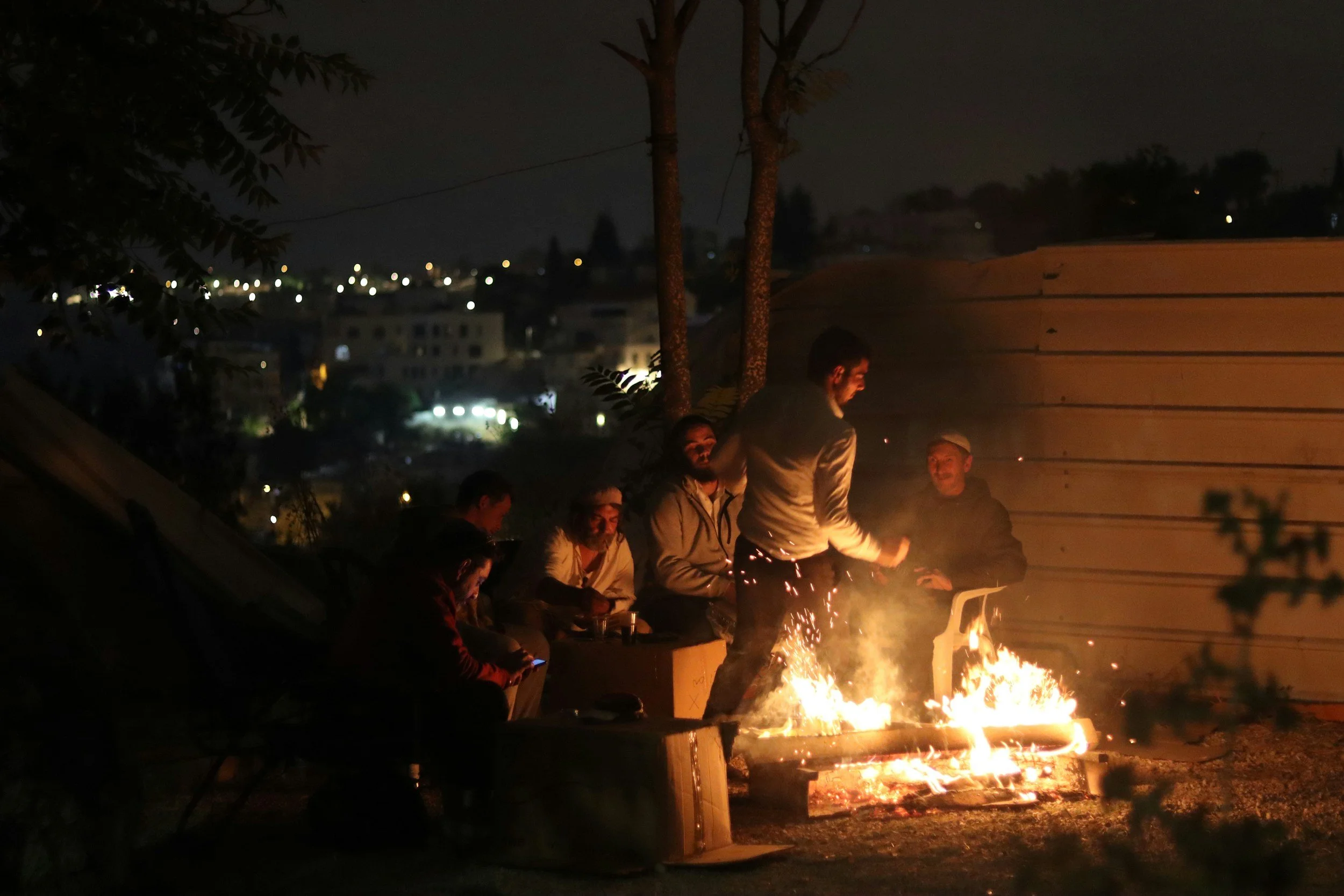
Lag BaOmer is a joyful Jewish holiday celebrated on the 33rd day of the Omer, the period between Passover and Shavuot. It commemorates the end of a plague among Rabbi Akiva’s students and honors the life and teachings of Rabbi Shimon bar Yochai. Traditions include lighting bonfires, outdoor gatherings, dancing, and songs.
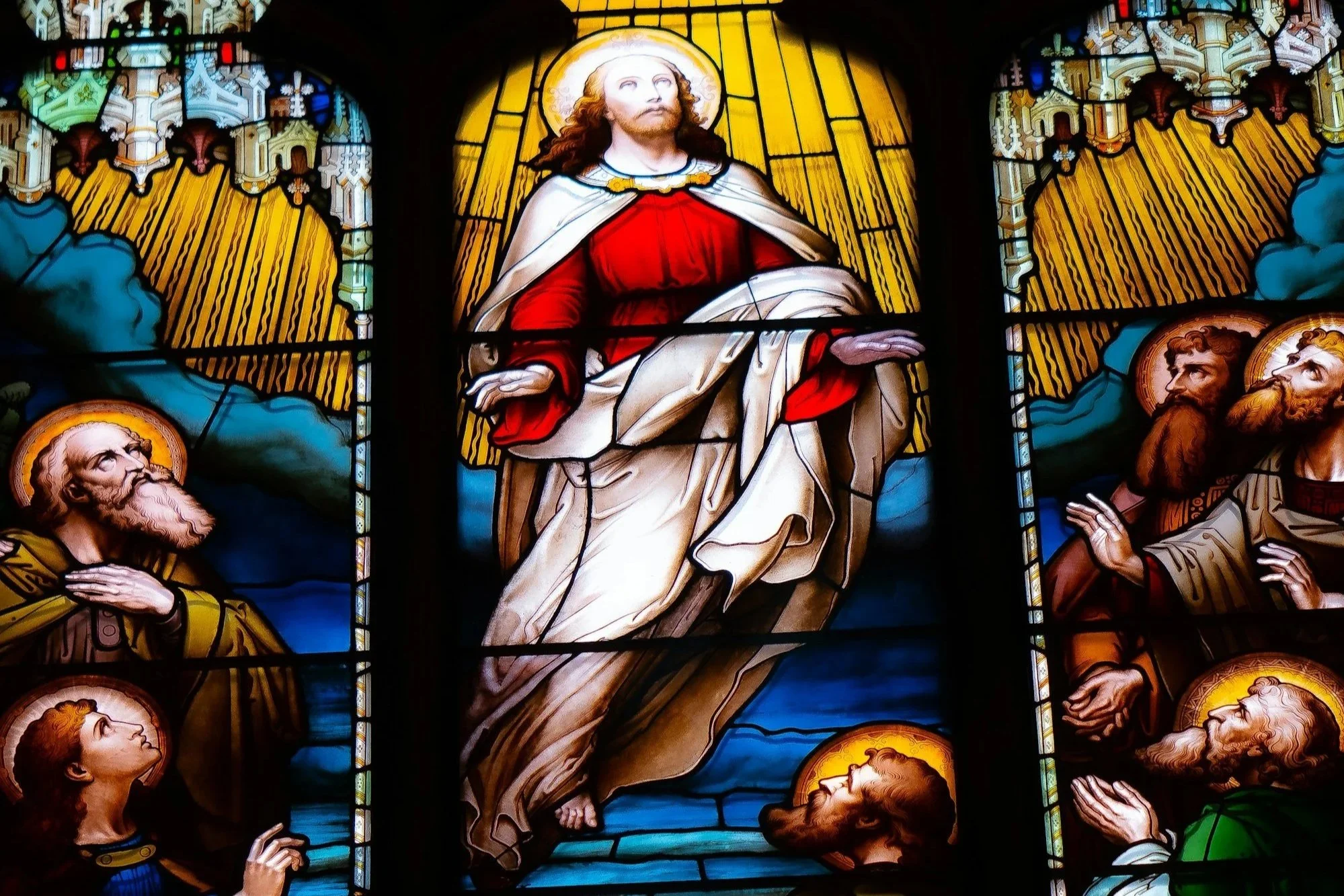
The Feast of the Ascension is a Christian holiday that commemorates Jesus Christ’s ascent into heaven forty days after his resurrection (though some celebrate it the Sunday after the forty days). It is based on events described in the New Testament, particularly in the Acts of the Apostles. Many Christians celebrate it with church services, prayers, and hymns that focus on Jesus’ return to heaven and his promise to send the Holy Spirit.
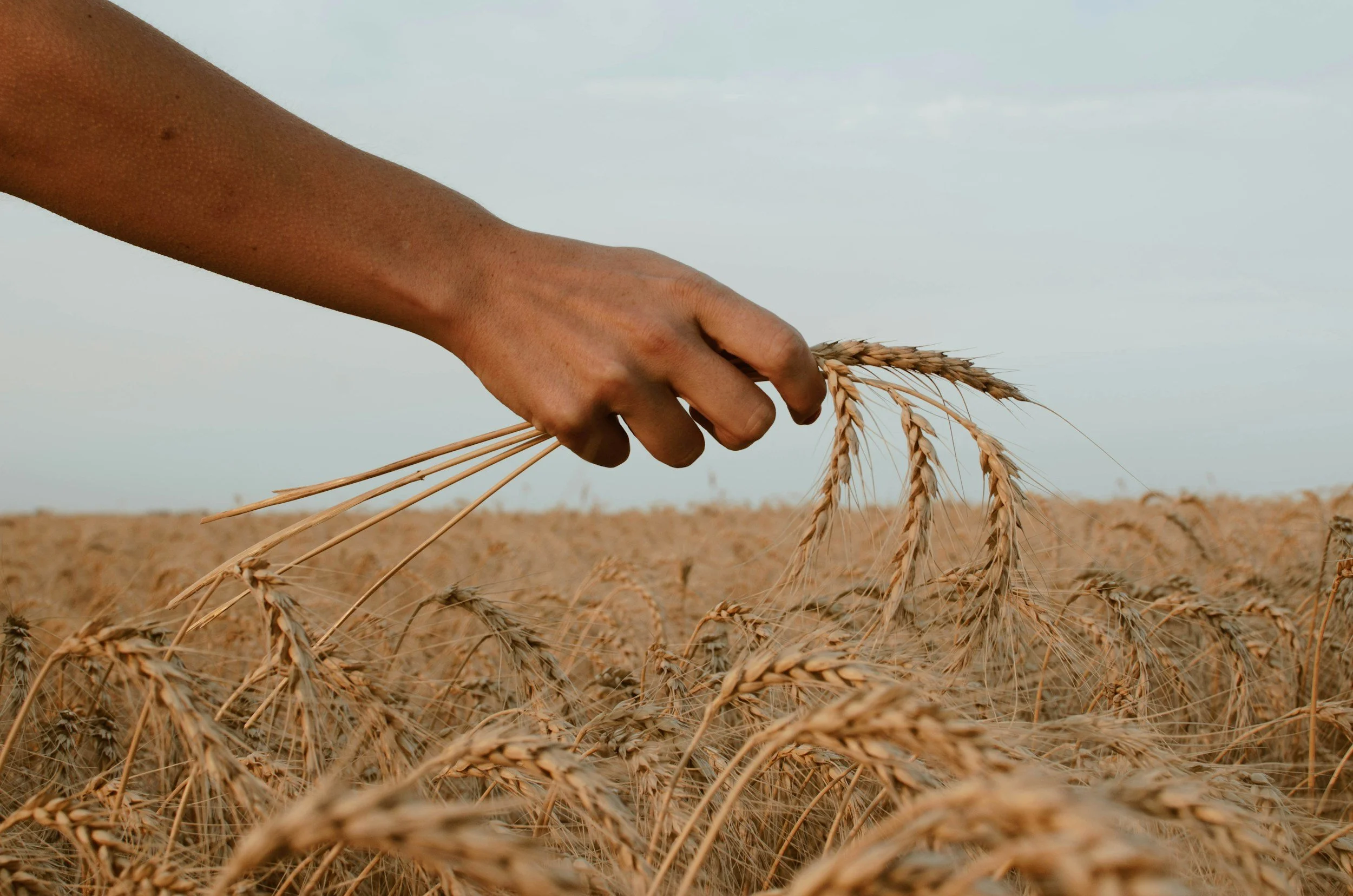
Shavuot is a Jewish holiday that marks the giving of the Torah to the Israelites at Mount Sinai. It takes place seven weeks after Passover and also celebrates the ancient grain harvest in Israel. Many people observe it by studying Torah, reading the Book of Ruth, attending synagogue services, and enjoying dairy foods.
The Declaration of the Báb is a significant Bahá'í holy day commemorating the moment in 1844 when the Báb announced His role as the herald of a new divine messenger, Bahá’u’lláh. Observed with prayers, storytelling, and reflection, the day celebrates themes of spiritual awakening, renewal, and the beginning of the Bahá'í Faith.
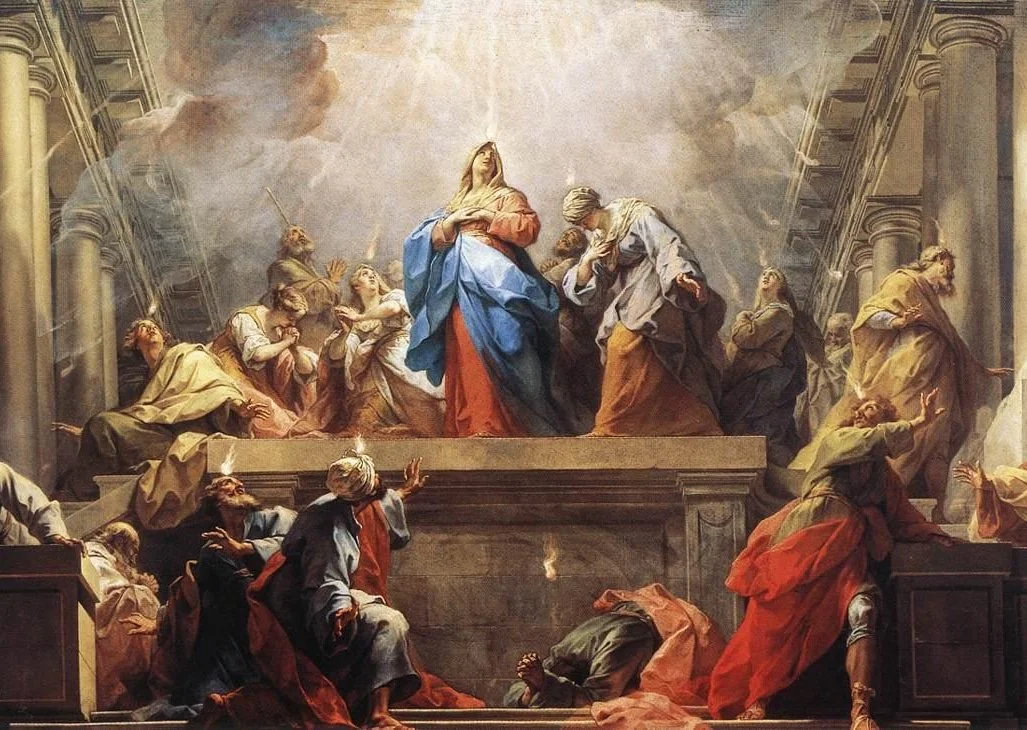
Pentecost is a Christian holy day that occurs 50 days after Easter and commemorates the descent of the Holy Spirit upon the apostles of Jesus Christ. According to the New Testament book of Acts, the disciples were filled with the Holy Spirit and began speaking in different languages, enabling them to spread Jesus’s teachings to diverse peoples. It is often considered the beginning of the apostles’ public ministry and global mission.
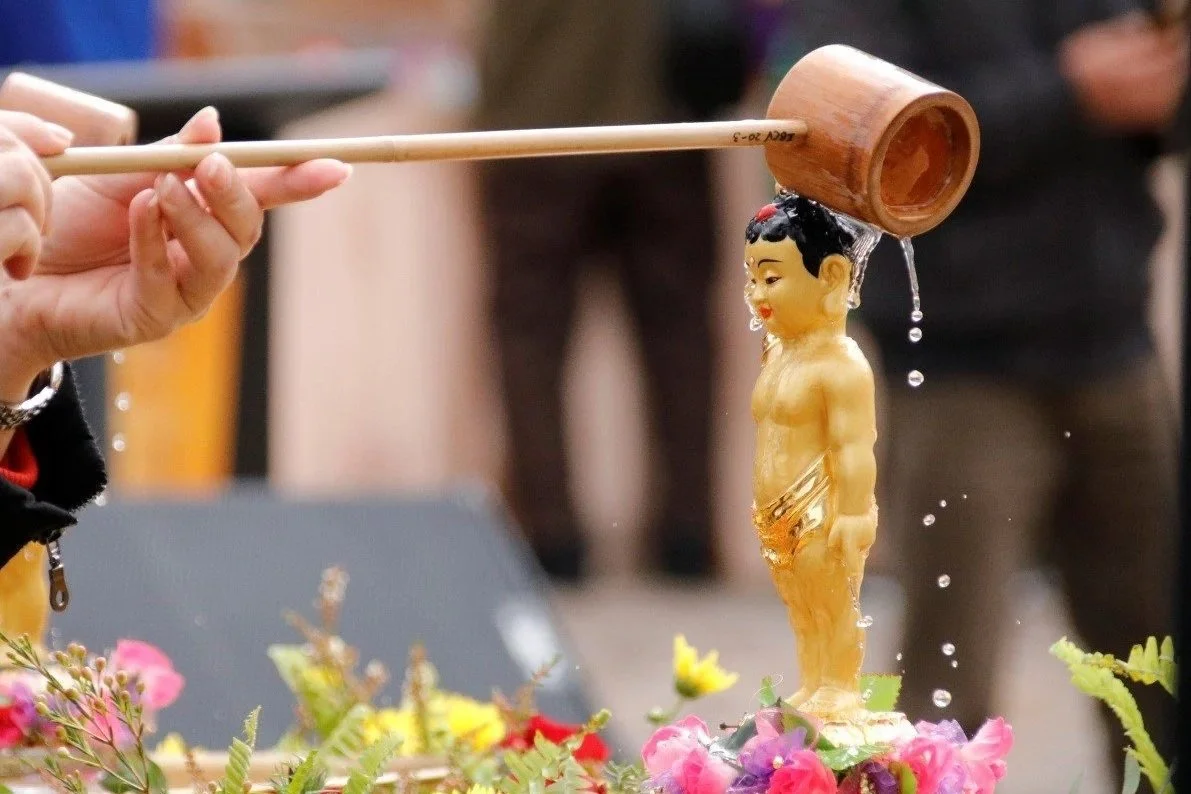
Buddha’s Birthday commemorates the birth of Siddhartha Gautama, who became the Buddha. Celebrated on different dates across Buddhist cultures (often in April or May), it blends joyful festivity with reflection on the Buddha’s teachings of compassion, wisdom, and liberation from suffering. Observances commonly include temple visits, lantern displays, chanting, charitable acts, and the symbolic bathing of Buddha statues, expressing both reverence and a renewal of personal spiritual commitment.
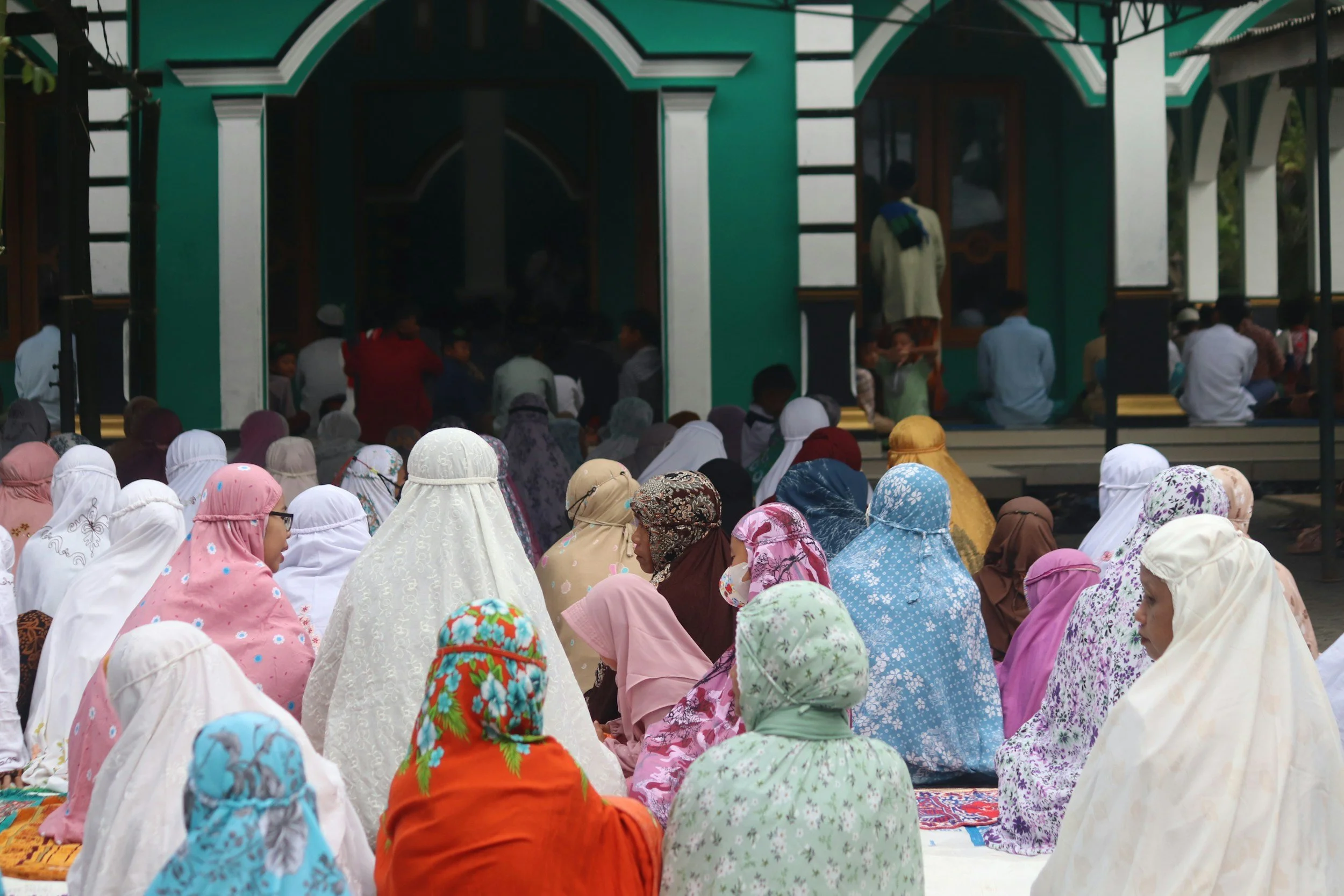
Eid al-Adha is an Islamic holiday that commemorates the willingness of the Prophet Ibrahim (Abraham) to sacrifice his son in obedience to God. It is observed annually during the Islamic month of Dhu al-Hijjah. The holiday includes communal prayers, the ritual sacrifice of livestock, and the distribution of meat to family members, friends, and those in need.
The Ascension of Bahá’u’lláh is a sacred Bahá’í holy day commemorating the passing of Bahá’u’lláh, the founder of the Bahá’í Faith, on May 29, 1892. Observed with prayers and reflective gatherings, it honors His life, teachings of unity and peace, and His spiritual legacy for humanity.
Trinity Sunday is a Christian feast celebrating the doctrine of the Holy Trinity—God as Father, Son, and Holy Spirit. Observed on the Sunday after Pentecost, it is a day of reflection on the mystery of God’s triune nature and His presence in the world.
Corpus Christi Sunday is a Christian feast celebrating the real presence of Jesus Christ in the Eucharist. Observed with special Masses, processions, and adoration, it is a day of devotion and gratitude for the sacrament of Holy Communion.
The Solemnity of the Sacred Heart of Jesus is a Christian feast honoring Jesus’ deep and boundless love for humanity, symbolized by His heart. Celebrated on the Friday after Corpus Christi, it is observed with special prayers, Masses, and acts of devotion emphasizing Christ’s mercy and compassion.
The Martyrdom of Guru Arjan Dev Sahib commemorates the sacrifice of the fifth Sikh Guru, who was tortured and executed in 1606 under the orders of the Mughal emperor Jahangir. Remembered for his unwavering faith, Guru Arjan compiled the Adi Granth and emphasized selfless service, justice, and devotion to God.
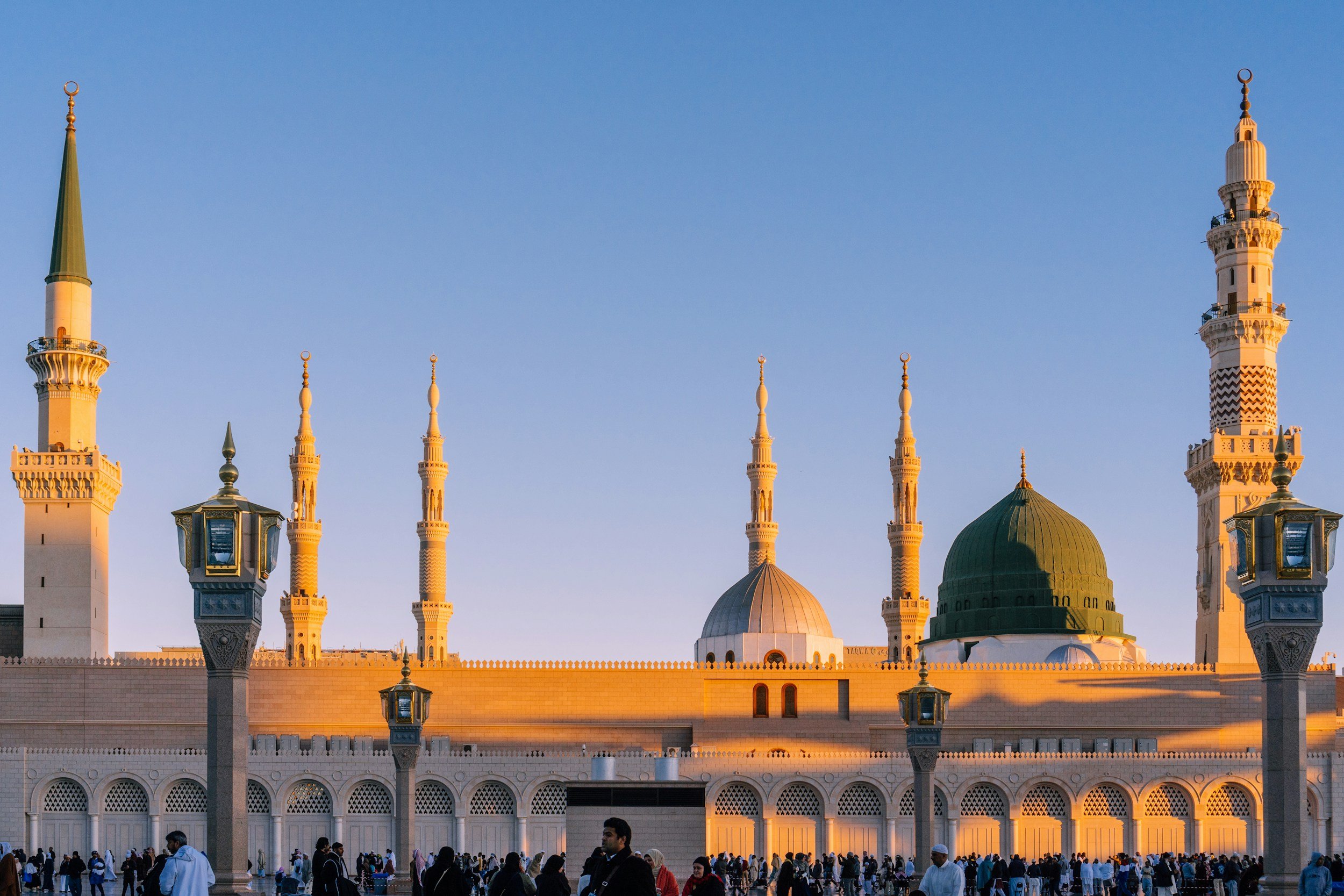
The Islamic New Year marks the beginning of a new year in the Islamic lunar calendar. It commemorates the Hijrah, the migration of the Prophet Muhammad from Mecca to Medina in 622 CE, which marks the start of the Islamic calendar. Many Muslims observe the day with prayer, reflection, and remembrance rather than large celebrations.
Litha, also called Midsummer or the Summer Solstice, is a pagan holiday celebrating the longest day of the year, typically between June 20th-22nd in the Northern Hemisphere. It honors the sun at its peak, symbolizing light, growth, fertility, and abundance. Traditions often include bonfires, feasting, and rituals to harness solar energy and celebrate nature’s vitality.
The Nativity of St. John the Baptist is a Christian feast celebrating the birth of John the Baptist, the prophet who prepared the way for Jesus Christ. Observed on June 24, it honors his role in calling people to repentance and his significance in salvation history.
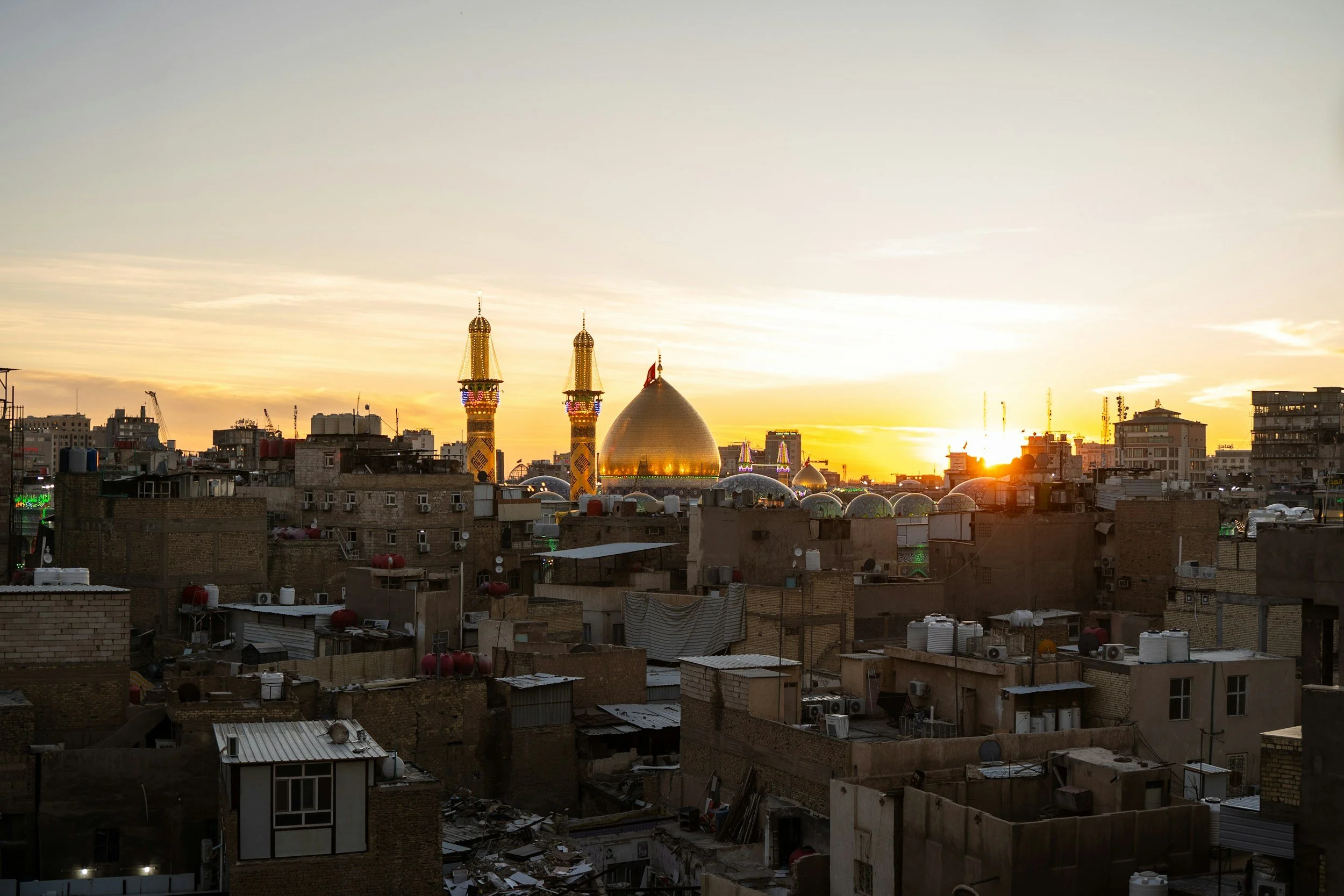
Ashura, observed on the 10th day of the Islamic month of Muharram, holds distinct yet overlapping meanings within Islam. For Sunni Muslims, it typically commemorates the day God saved Moses and the Israelites from Pharaoh, and it is often marked by voluntary fasting. For Shiʿa Muslims, however, it is a solemn day of mourning for the martyrdom of Husayn ibn Ali at the Battle of Karbala in 680 CE.
The Feast of Saints Peter and Paul is a Christian celebration honoring the martyrdom and spiritual legacy of St. Peter, the first pope, and St. Paul, the Apostle to the Gentiles. Observed on June 29, it commemorates their foundational roles in spreading Christianity and strengthening the early Church.
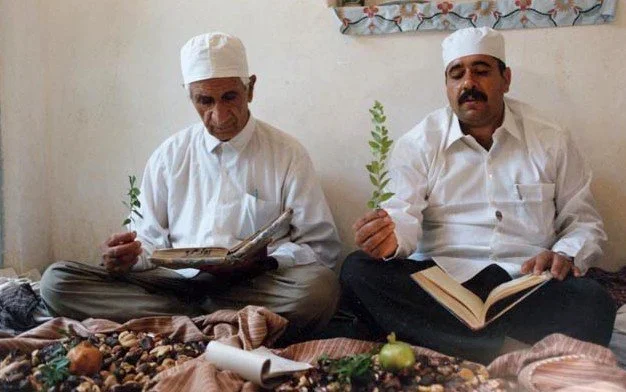
Gahambar Maidyoshem is one of the six seasonal festivals in Zoroastrianism, observed in late spring and associated with the creation of the sky in Zoroastrian cosmology. It expresses gratitude for the natural world as a sacred and ordered creation, emphasizing harmony between humanity and the environment. The festival is marked by communal meals and acts of generosity, highlighting values of equality, charity, and shared responsibility within the community.
The Martyrdom of the Báb is a solemn Bahá’í holy day commemorating the execution of the Báb, the forerunner of Bahá’u’lláh, in Tabriz, Persia, on July 9, 1850. Observed with prayers and reflection, it honors his sacrifice and the resilience of his message, which paved the way for the Bahá’í Faith.
Tisha B’av is a solemn Jewish fast day that commemorates the destruction of the First and Second Temples in Jerusalem, along with other tragedies in Jewish history. It is observed with a 25-hour fast, mourning rituals, the reading of the Book of Lamentations, and sitting on the floor or low stools in grief. The day reflects themes of loss, exile, and the hope for future redemption and rebuilding.
The Birthday of Haile Selassie is observed on July 23 and holds deep significance especially within Rastafari, where he is revered as a central spiritual figure. For many, the day is a time to honor his legacy as emperor of Ethiopia and as a symbol of dignity, resistance to colonialism, and African unity. Observances often include gatherings, music, prayer, and reflection, while recognizing the diverse perspectives surrounding his historical and spiritual role.
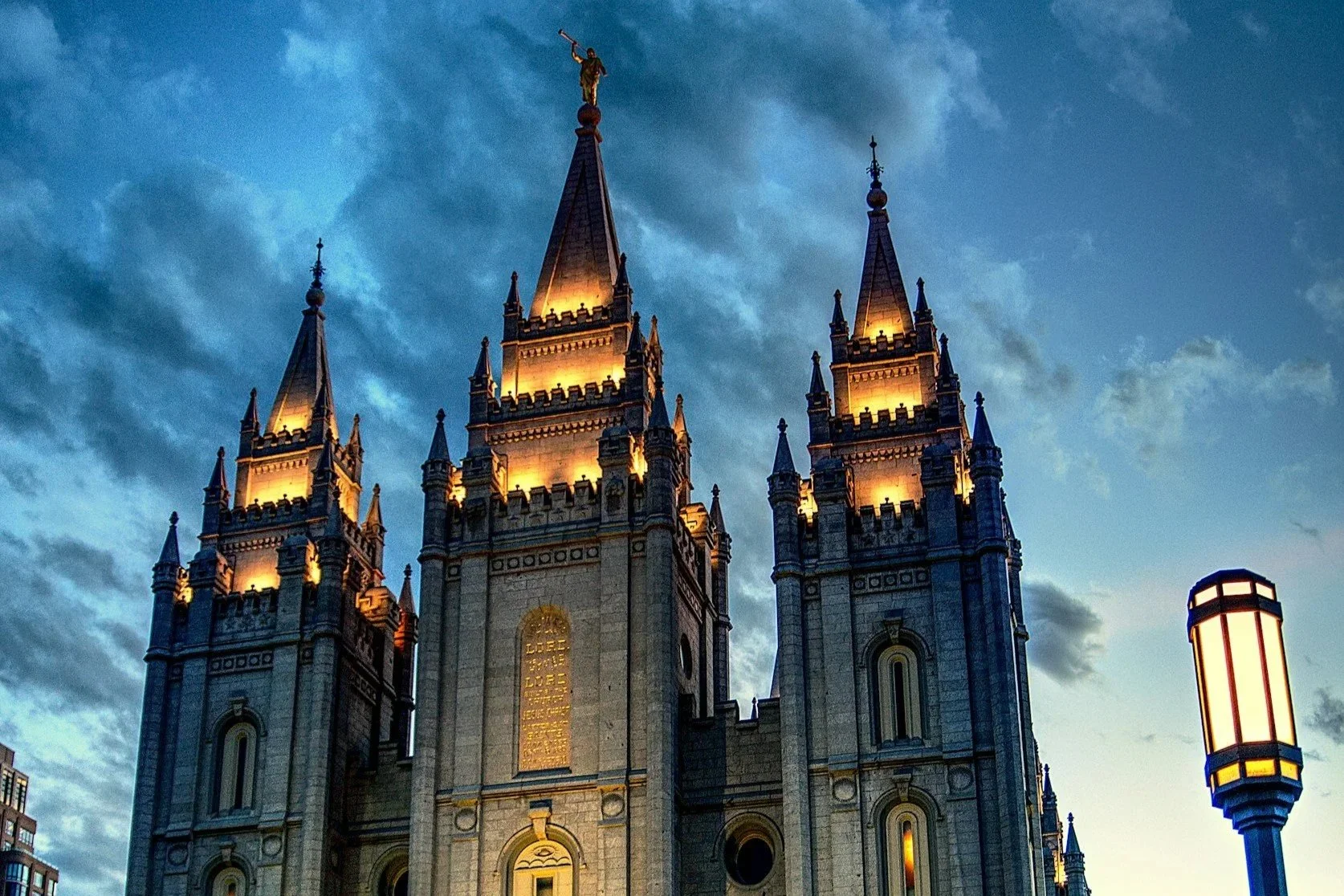
Pioneer Day is observed on July 24 to commemorate the 1847 arrival of Latter-day Saint pioneers led by Brigham Young in the Salt Lake Valley. For many members of The Church of Jesus Christ of Latter-day Saints, it is a time to honor faith, perseverance, and community-building in the face of displacement and hardship. At the same time, contemporary observances often acknowledge the complex history of westward expansion, including its impact on Indigenous peoples, encouraging reflection alongside celebration.
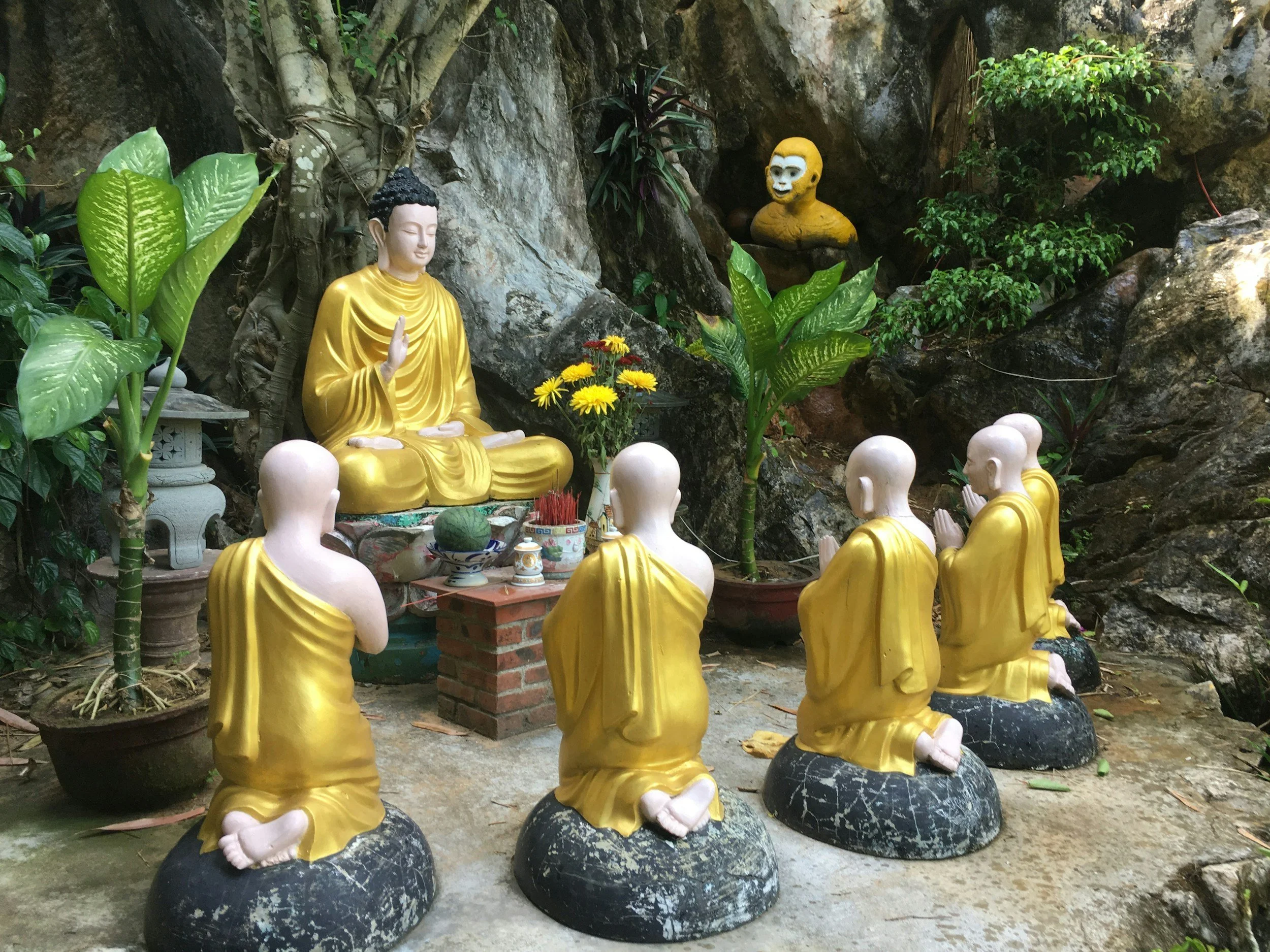
Dharma Day (Asalha Puja) is a significant festival in Buddhism that commemorates the First Sermon of the Buddha, when Siddhartha Gautama first taught the path to enlightenment. Observed on the full moon of the lunar month of Asalha, it marks the beginning of the Buddhist teaching tradition and the formation of the monastic community (Sangha). The day is often honored through temple visits, meditation, and acts of generosity, emphasizing reflection on the Dharma and the importance of ethical living.